
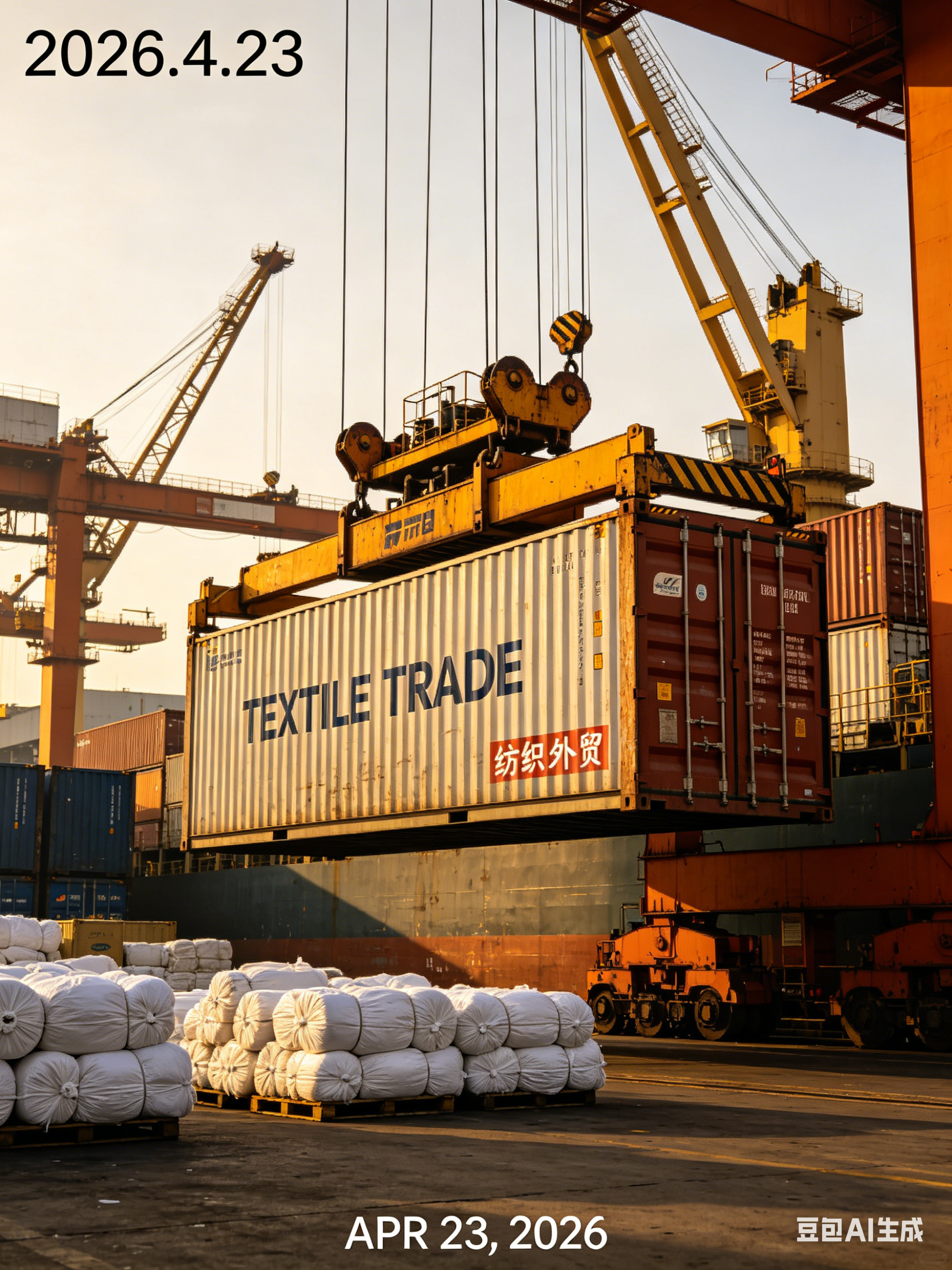
April 23, 2026 Wool industry information, the Ministry of Industry and Information Technology, the Ministry of Ecology and Environment, and the State Administration for Market Regulation jointly issued the "Standard-led Textile Industry Optimization and Upgrading Action Plan (2026-2028) Year)》continue to deepen the implementation. The plan clarifies that by 2028, the entire industry will formulate and revise more than 300 green and low-carbon related standards, focusing on core areas such as product carbon footprint accounting, waste textile recycling, bio-based environmentally friendly fibers, and zero-carbon factory construction.
Policies continue to guide the green upgrading of the wool spinning industry. Enterprises actively respond to the industry's low-carbon development requirements, accelerate low-carbon spinning technology, environmentally friendly dyeing technology, and the application of recycled raw materials, improve product life cycle environmental protection management and control, and comply with international standards.
GRS Green Certification Trend. Through standardization, low-carbonization and sustainable development, we will enhance the export competitiveness of our products and help the long-term, healthy and high-quality development of the entire wool textile industry chain.