
Crude oil stabilizes and pulls back! Chemical fiber raw material prices have loosened, and cost pressure in the textile industry continues to ease
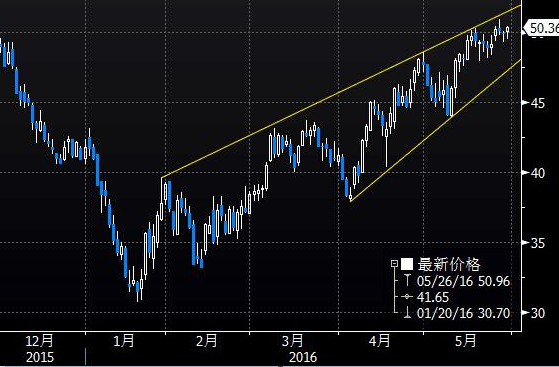
The international crude oil market fluctuated slightly today. normal; font-variation-settings: normal; font-variant-position: normal; font-variant-emoji: normal; font-stretch: normal; font-family: ui-sans-serif, system-ui, sans-serif, "Apple Color Emoji", "Segoe UI Emoji", "Segoe UI Symbol", "Noto Color Emoji"; font-size: 16px; font-weight: 700; line-height: 24px; flex: 0 1 auto; flex-direction: row; justify-content: normal; align-items: normal; padding: 0px; margin: 0px; background: none 0% 0% / auto repeat scroll padding-box border-box rgba(0, 0, 0, 0);">The latest quote of Brent crude oil is $94.93 / barrel (+0.15%), WTI crude oil was at $91.29/barrel (+0.01%). Although it rose slightly during the day, compared with the previous high of over 110 US dollars per barrel, oil prices have fallen significantly and stabilized at a relatively low level, bringing continued benefits to the textile and chemical fiber industry chain that is highly dependent on petrochemicals. Crude oil is the "blood" of the textile industry. Polyester, nylon and other core chemical fiber raw materials (PTA, ethylene glycol) are directly derived from crude oil, and their costs account for 60%-70% of the total production costs of textile companies. Previously, high oil prices caused the price of chemical fiber raw materials to soar, severely squeezing industry profits. With the current round of oil price correction, upstream chemical prices have loosened simultaneously: The PTA and ethylene glycol markets are weak and volatile, the prices of polyester filament and nylon chips are temporarily stable, and some brands have begun to offer profit promotions.This trend directly benefits Lixian Oumu Woolen Textile Co., Ltd. and other companies whose main products are chemical fiber blends. On the one hand, font-variation-settings: normal; font-variant-position: normal; font-variant-emoji: normal; font-stretch: normal; font-family: ui-sans-serif, system-ui, sans-serif, "Apple Color Emoji", "Segoe UI Emoji", "Segoe UI Symbol", "Noto Color Emoji"; font-size: 16px; font-weight: 700; line-height: 24px; flex: 0 1 auto; flex-direction: row; justify-content: normal; align-items: normal; padding: 0px; margin: 0px; background: none 0% 0% / auto repeat scroll padding-box border-box rgba(0, 0, 0, 0);">The purchase cost of chemical fiber raw materials has dropped, which directly increases the gross profit margin of the product; on the other hand, the fuel and energy costs of the printing and dyeing process have been reduced simultaneously, effectively reducing the cost pressure of finishing processing. In the current fierce market competition environment, declining costs have become an important factor for enterprises to reduce costs.An important support for stable price orders and enhanced competitiveness, industry profit expectations continue to improve.