
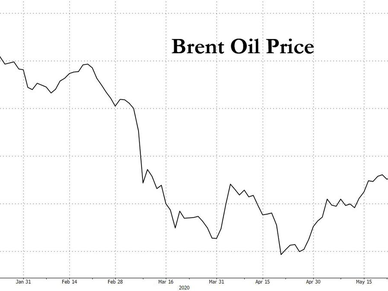
Today, the international crude oil market ushered in a critical turning point. Brent crude oil futures prices dropped significantly, with the latest quotation falling to 94.49 US dollars / barrel, a sharp correction from the previous high, with a single-day drop of nearly 1% and an overnight drop of more than 4%. Affected by expectations of easing geopolitical conflicts, the previously high oil prices have finally eased. This is undoubtedly a timely rain for the entire chemical fiber and textile industry chain, which is highly dependent on petroleum derivatives, and will effectively alleviate the long-term high cost pressure.
1. Deep adjustment of oil prices to directly address the cost pain points of the industry
The textile industry is closely related to crude oil. Looking at the source of the industrial chain, more than 90% of the raw materials (PTA, ethylene glycol, caprolactam, etc.) of mainstream chemical fiber products such as polyester and nylon are derived from crude oil. The cost of chemical fiber raw materials usually accounts for 60%-70% of the production costs of textile enterprises. In the past few months, affected by the turmoil in the Middle East, oil prices once soared to more than US$110/barrel, which directly triggered a surge in the prices of upstream raw materials such as PTA and polyester yarn. Coupled with rising fuel costs in the printing and dyeing process, the overall production cost of the entire industry was once pushed up by 15%-20%, severely compressing corporate profit margins.
2. Double benefits: raw material price reduction + energy consumption burden reduction
The sharp drop in crude oil will bring double cost benefits to the textile industry:
- The price of chemical fiber raw materials has dropped accordingly: As the price of crude oil has fallen, the prices of upstream chemical products such as PX and PTA have begun to fall simultaneously. This will directly reduce the core raw material procurement costs of wool, yarn, fabric and other manufacturing enterprises, especially for products with polyester and nylon as the main raw materials, the cost reduction effect is most obvious.
- Energy cost relief in printing and dyeing processing: The textile printing and dyeing process consumes a large amount of coal, natural gas and other energy, and its price is highly linked to crude oil. The decline in oil prices will effectively reduce steam, electricity and other processing costs and improve the profitability of weaving, dyeing and finishing.
3. Market impact: profit restoration, improvement of foreign trade competitiveness
For the current textile market where foreign trade orders are under pressure and domestic demand is fiercely competitive, the cost decline is like a "shot in the arm":
- Corporate profit space repair: Against the background that it is difficult to significantly increase the quotation of end products, every 1% decrease in raw material costs will be directly converted into the company's net profit, effectively alleviating the "high cost, low profit" operating dilemma.
- Enhanced export competitiveness: With the imminent implementation of the U.S. tariff refund policy (April 20), combined with cost advantages, the cost performance of my country's textile and apparel products in the international market will be further improved, which will help foreign trade companies grab orders and offset the pressure of short-term weakening exports in March.
- Industry mentality stabilizes: The drop in oil prices has eased the market’s panic about “out of control costs”. Upstream and downstream companies will return to rational production and procurement, which will help stabilize price expectations in the industry chain.
4. Perspective of Lixian Oumu Woolen Textile Co., Ltd.
As a deep cultivator in the wool textile industry, Li County Oumu Wool Textile Co., Ltd. believes that this round of crude oil price correction is an important positive signal for the industry. The company will closely track the trend of oil prices and chemical fiber raw materials. On the one hand, it will optimize the procurement strategy of wool, chemical fiber and other raw materials to control comprehensive costs; on the other hand, it will continue to promote green and energy-saving production, consolidate product price advantages and quality competitiveness, and provide global customers with stable and cost-effective wool,Wool yarn, textile yarn and other products, seize the market opportunities brought about by cost improvement.